Blog posts

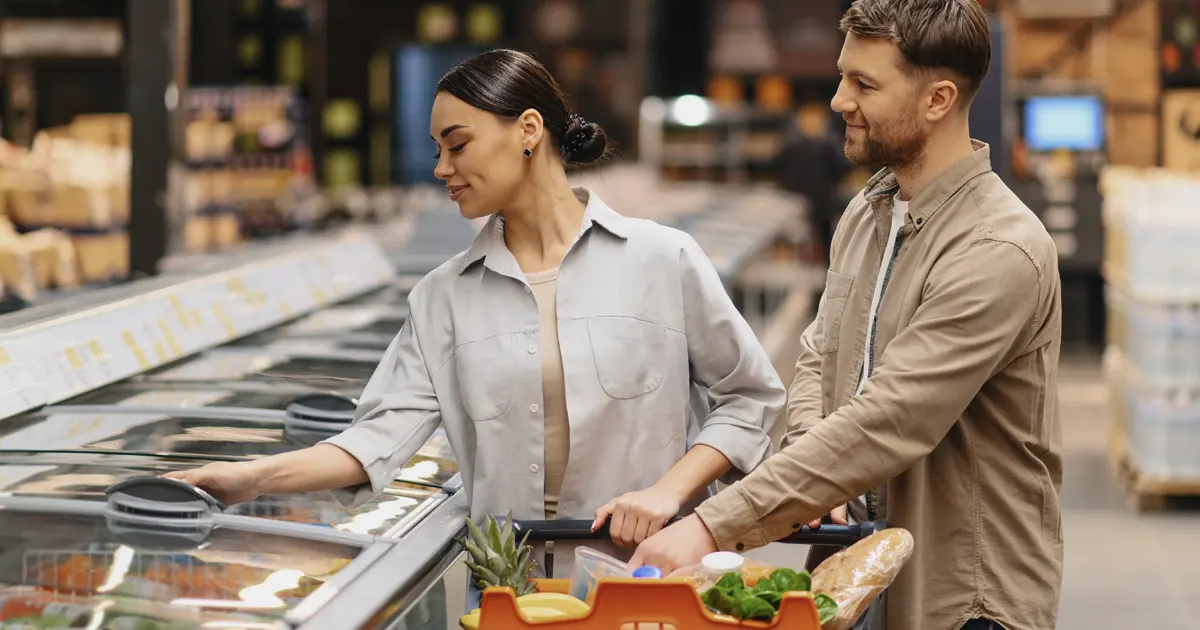
When a brand books a campaign on in-store screens, they're not buying data. They're buying an audience: families shopping the breakfast category on weekend mornings, in these 120 stores and 35 hypermarkets. A footprint, a reach, a price. A clean media product.
Behind that audience sits aggregated POS and loyalty data — signals that describe who shops which category, when, and where. No individual shopper ever appears in the media-sales flow, because none is needed. The pattern is the product.
Notice what's missing from that setup: external sensors, third-party data brokers, another layer of consent management. The data that powers in-store audiences already exists inside the retailer's own systems — and that's exactly where it stays.
Personal data never leaves the retailer. What gets sold is access to an audience, not the data underneath it. Advertisers get a well-defined media product they can buy with confidence — without inheriting anyone's compliance homework.
To be fair, this is not yet how most of the market works. A large share of what's sold as in-store retail media today is still a loop: the same spot, on every screen, in every store, for everyone. That's a fine place to start — it's where the whole channel started — but it's advertising on screens that happen to be in a store, not retail media.
And between those two ends sits a grey zone, where “audience targeting” can mean anything from a genuine data-driven audience engine to a daypart schedule with a more ambitious name. The label on the box doesn't tell you which one you're getting.
So whether you're a retailer choosing a platform or an advertiser buying the inventory, it's worth asking one simple question: how exactly is this audience built? If the answer traces back to the retailer's own POS and loyalty signals — aggregated, privacy-safe, verifiable — you're looking at the real thing.
We can be direct about where we stand: this is the model Doohlabs was built on. Audience targeting from aggregated first-party data isn't a feature we bolted on — it's one of the core elements of the In-Store IMPACT platform.
For years, first-party data was treated as a liability to be managed. In store-based retail media, it becomes the strategic asset — the one thing competitors without stores and loyalty programs cannot copy.
And it compounds. More loyalty members produce richer signals. Richer signals produce better-targeted media products. Ad revenue funds the member benefits that grow the loyalty base. A flywheel that runs on aggregates alone.
So the shopper advertisers never see? She's doing fine — seeing offers that match her basket, in the store where she was going to buy anyway. Her data never went anywhere at all.
That's in-store retail media done right.
---
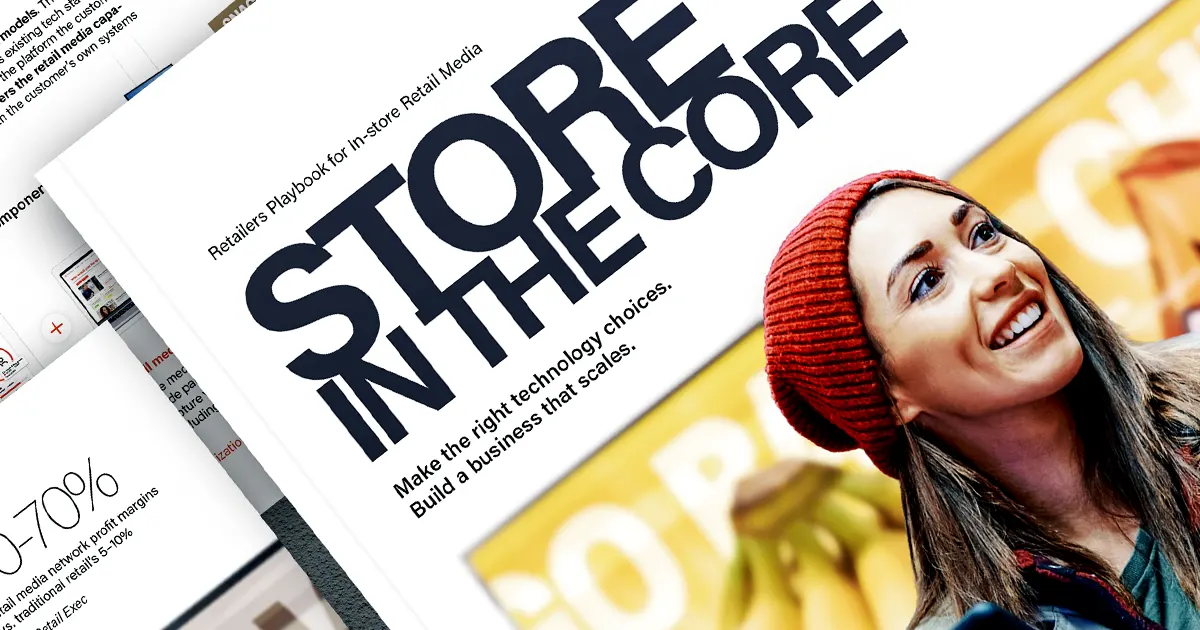
How exactly is an in-store audience built? The full answer — from first-party signals to sellable media products — is in our new playbook, Store in the Core. Get your free copy →