Blog posts

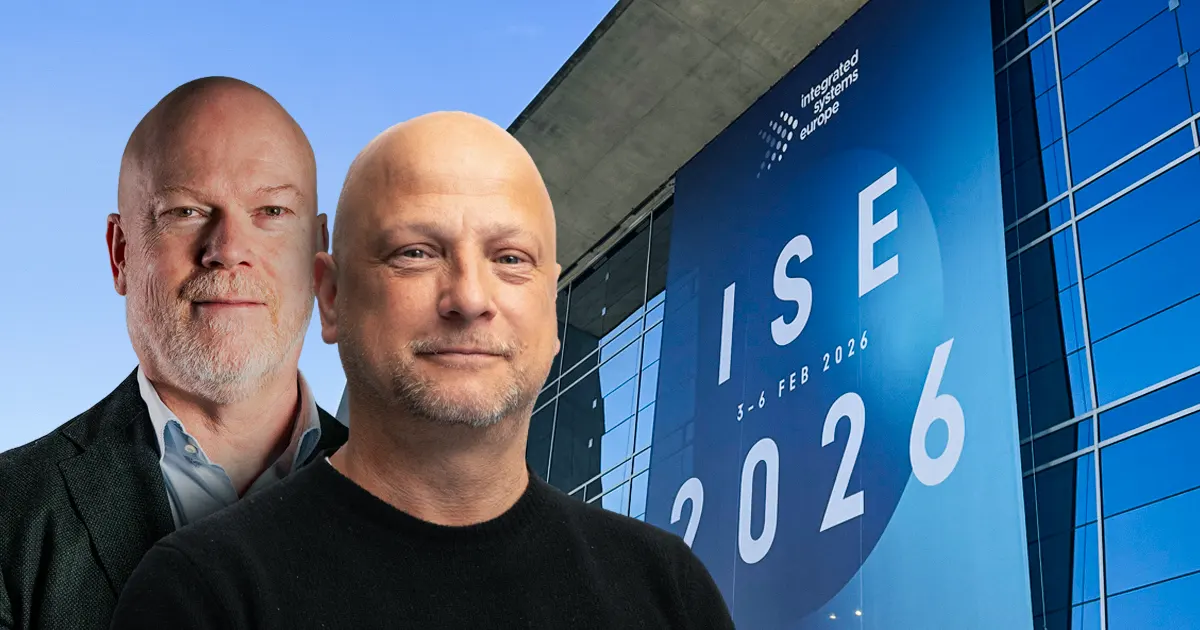

Johan Husberger, Craneworks
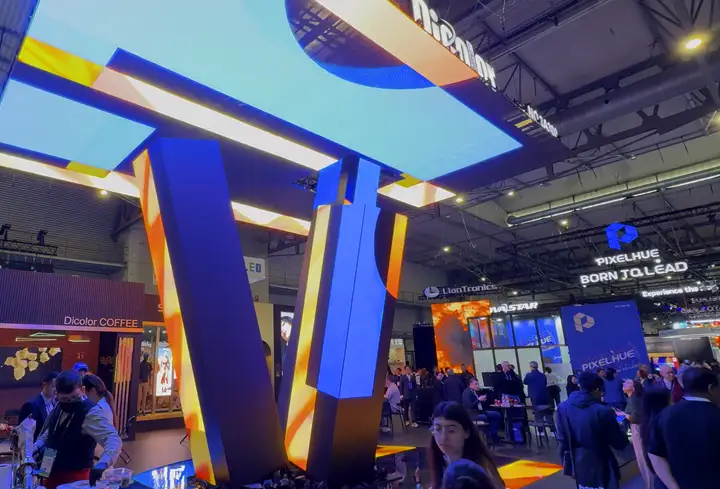
Every year, Integrated Systems Europe sets the pulse for the professional AV and digital signage industry. For four intense days, the entire ecosystem gathers in Barcelona — hardware manufacturers, software vendors, solution providers, system integrators, peers and competitors — all in one place.
As has become tradition, Craneworks and Doohlabs were once again on site. Not just to see what’s new, but to understand what actually matters. ISE is where ideas collide, strategies are challenged, and the future of our industry starts to take shape — long before it becomes visible in real-world deployments.
ISE 2026 was bigger, busier and more confident than ever. The halls were packed, the meeting schedules tight, and the conversations deeper. What stood out immediately, however, was not a single groundbreaking product or headline-grabbing display technology.
Instead, this year felt like a turning point of a different kind.
The display industry has matured.
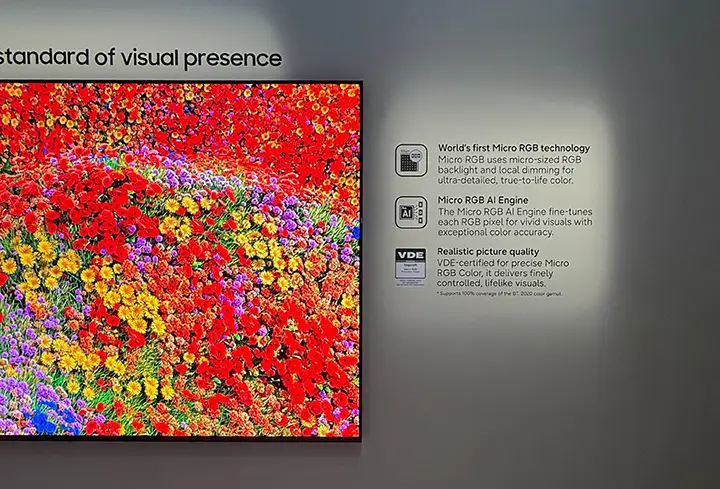
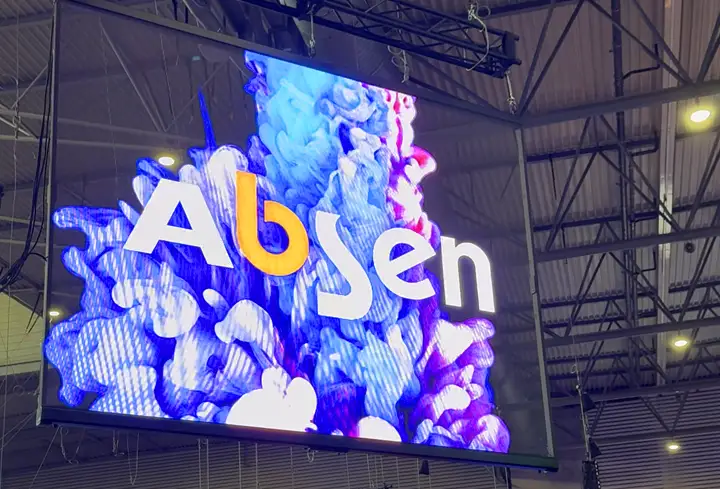
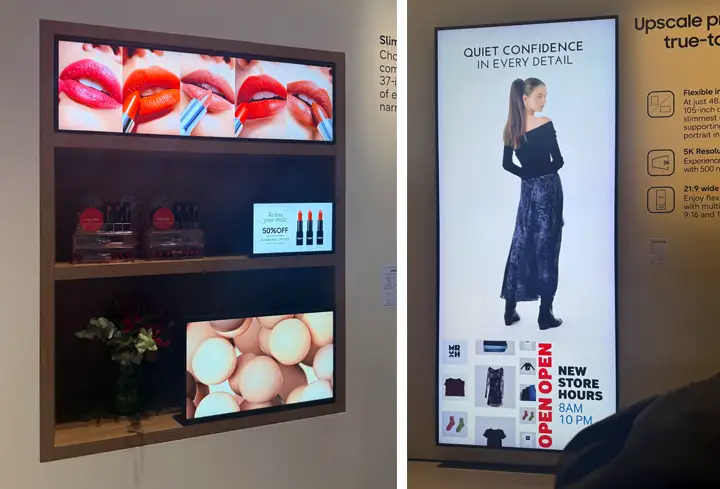
Screens are no longer the bottleneck. They are reliable, high-quality, cost-efficient and available in more formats than ever before. LCD continues to dominate as the industry’s workhorse, delivering strong pixel density at accessible price points. LED keeps improving, promising longer lifespans and more flexible form factors, but still faces challenges in close-range viewing and cost. MicroLED appeared in niche scenarios, particularly outdoors, but remains far from mainstream.
There were interesting side paths — depth effects that raised the question of whether 3D might be finding a new role, and e-ink solutions positioned not as screens, but as paper replacements. Sensible, focused use cases rather than hype.
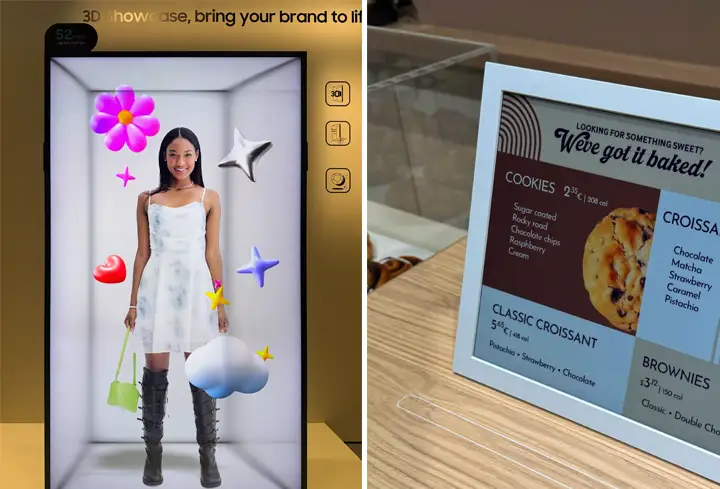
Overall, this was one of the least “exciting” hardware shows in years — and that is not a criticism. It is a sign of maturity.
If the hardware story felt calm, everything behind the screens felt anything but.
ISE 2026 made one thing very clear: the real innovation has moved into software, integrations and intelligence. This is where competition is now playing out, and where value is created.
AI was not presented as a futuristic promise, but as a practical tool already reshaping how digital signage networks are built and operated. In discussions and seminars, especially around the Digital Signage Summit, the focus shifted from what screens can do to how systems think.
AI is accelerating internal processes — speeding up development, testing and deployment cycles. It is transforming content creation, enabling smarter and more proactive messaging that adapts to context, audience and situation. And it is becoming operational, helping teams monitor vast networks of screens, detect issues before they escalate, reboot players, adjust settings and maintain performance at scale.
But with that potential comes complexity. Scalability was a recurring concern. Creating new content every hour across thousands of stores and tens of thousands of screens sounds powerful — until bandwidth, cloud costs and operational realities enter the conversation. The technology is moving fast. Whether business models can keep up is still an open question.
Retail media was not everywhere at ISE 2026. It did not dominate the show floor, nor was it the loudest topic in every hall.
But where it appeared, it changed the tone of the conversation.
In the sessions and discussions where retail media was addressed seriously, it became clear that this is not just another application for digital signage. It represents a structural shift in how screens are valued — from cost centers to revenue-generating, data-driven assets.
The message was consistent: retail media is not about deploying more screens. It is about relevance, data and measurement. Without context, strategy and integration, screens add little value. With the right foundations, they become powerful media channels tied directly to business outcomes.
Another recurring theme was maturity. Retail media demands new capabilities — analytics, integrations, operational discipline and commercial thinking. Larger retailers often have the resources to build these capabilities internally, while smaller retailers tend to rely on external partners. Both paths come with trade-offs, particularly when it comes to control over data, revenue and the customer experience.
Importantly, in-store retail media was repeatedly positioned as something distinct from DOOH. Ownership of the environment, access to data and the customer relationship fundamentally change the rules of the game.
Retail media may not yet be mainstream across the industry — but when executed properly, it is already redefining what digital signage can be.
After three days at ISE 2026, one conclusion quietly emerged.
This is no longer an industry driven by displays.
It is driven by what happens around them.
Hardware has reached a level of stability that allows the conversation to move on. The real questions now sit elsewhere: how systems integrate, how intelligence is applied, how operations scale, and how value is measured.
Some of these shifts are highly visible. Others are easy to miss unless you are looking in the right places. Retail media is one of them. Not omnipresent, not fully formed — but where it appears, it fundamentally changes the business conversation.
AI is accelerating everything. The pace is unforgiving, certainty is rare, and strategies must be built for change rather than permanence.
ISE 2026 did not point to one clear future.
It revealed several paths — some obvious, some still emerging.
And in an industry moving at lightning speed, the only thing you can truly be certain of is that you cannot be certain of anything.
________________________________________

Teemu Kurri, Doohlabs
For a software company, ISE has always raised a legitimate question: is a week in Barcelona truly time well spent, or would those hours be better invested elsewhere?
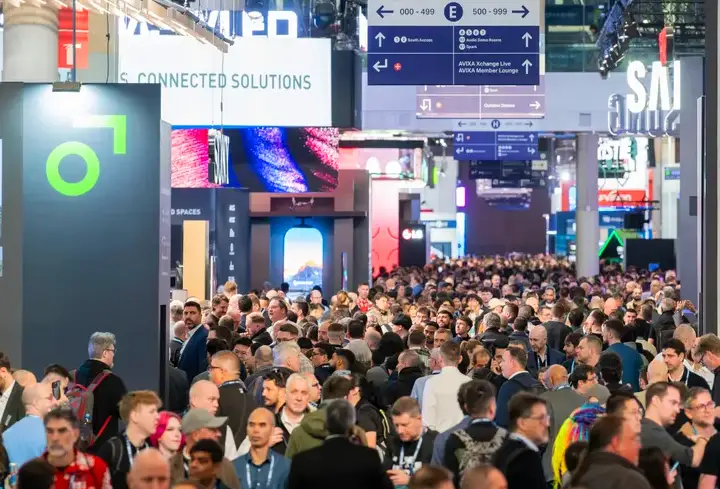
This year, that question felt more relevant than ever. We left Helsinki in the middle of the busiest start of the year we have ever had. We kept working through early mornings and late evenings, squeezed meetings into every possible gap, and spent the days walking the halls of Fira Barcelona. It was intense, exhausting, and at times honestly borderline irrational.
But it also offered something you cannot get through video calls, webinars, or slide decks.
For an in-store retail media platform, the benchmark for an event like ISE is simple: does the industry acknowledge the structural and financial impact retail media is already having? Is it visible on the show floor, in the conversations, and in the way companies position themselves? And perhaps most importantly: do people treat retail media as a serious shift, or just another hype cycle?
I have to admit that the previous two or three ISE editions left me slightly skeptical. The digital signage industry has always been fast to adopt new display technologies, but slower to embrace the business model transformation happening around them.
And retail media is exactly that: not a new format, but a new logic.
The pace of change at ISE has felt slow compared to what is happening in the broader marketing ecosystem, where retail media may turn out to be one of the most significant shifts in digital advertising since the rise of social media platforms.
This year, however, the atmosphere was different.
Retail media was not the loudest topic in every hall, but you could hear it everywhere. It appeared in discussions between system integrators, in conversations on booths, and in the way exhibitors framed their value propositions. It felt like the industry had moved from “curiosity” to “recognition”.
The most persuasive argument has always been remarkably simple, and it is now widely understood: retail media turns screens (and increasingly also audio systems) from cost items into revenue-generating assets. That single realization is forcing many companies to rethink what they are actually selling. Not displays. Not players. Not CMS platforms. But infrastructure for monetization.
For DOOH and digital signage companies, retail media has of course been a known concept for a while. Many already have retail customers. But relatively few have built their offering specifically around in-store retail media as a core business model. That was understandable when retail media was still treated as something “coming next”.
Today, it is no longer next. It is already here.
And I would not be surprised if by next year, retail media becomes the primary message for a significant number of exhibitors.
Those who have followed Doohlabs and Craneworks for a while know that we do not believe the story ends with retailers and retail media.
Commerce media is, in our view, the natural extension. It enables any company with valuable audiences and physical or digital touchpoints to build advertising networks that resemble retail media in their logic, even if they are not retailers in the traditional sense.
Interestingly, commerce media was not something people talked about at ISE 2026. At least not explicitly.
But that does not mean it is not coming. In fact, it may become the shift that transforms the business landscape for ISE exhibitors even more than retail media itself.
Many integrators and hardware providers may only have a handful of retail customers for whom retail media at scale is relevant. But the number of potential commerce media customers is on a completely different level. Once advertisers start seeking addressable, measurable and high-quality audiences beyond retail environments, the opportunity expands rapidly.
That said, I do not expect commerce media to become a mainstream theme at ISE next year either. It will likely emerge quietly, driven by a few major players who see the potential early and start building the infrastructure, financing models, and partner ecosystems needed for commerce media to thrive.
So who is ISE really for? And is it worth the week it takes?
For us, the answer is clear: ISE is fundamentally about partnerships.
In our business, partners are not a “nice-to-have”. They are essential. We work with them in every stage of a customer project. They can provide the thousands of screens needed to scale a retail media network. They can bring in data sources that strengthen targeting and measurement. They can deliver specialist software components that improve monitoring, compliance, or operational efficiency.
In other words, partners are part of the product and part of the delivery.
And in a world where geopolitics is increasingly shaped by protectionism, tariffs and uncertainty, both Doohlabs and Craneworks continue to believe in collaboration. We succeed together with our partners, and ultimately our customers benefit from that cooperation.
This is where ISE still delivers unmatched value.
The small talks, dinners, and short conversations on stands are not just social extras. They build trust. They open doors. They accelerate decision-making. And the ideas exchanged in the halls of Fira Barcelona often end up becoming real actions within months.
Some of them will never go anywhere. But a few will turn into something meaningful.
And occasionally, one of them turns out to be a diamond.